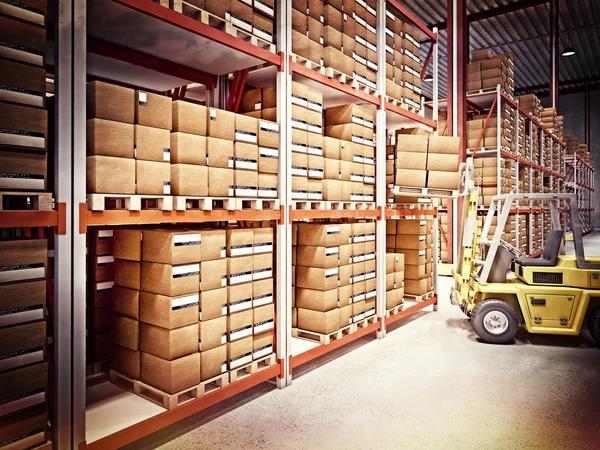

Transportation logistics services play a pivotal role in maintaining the flow of goods across industries, ensuring that products are delivered efficiently and on time. However, this sector faces numerous challenges that can disrupt operations and impact customer satisfaction. Identifying these obstacles and implementing effective solutions is essential for optimizing supply chain performance.
One of the most pressing challenges in transportation logistics is high fuel costs. Fluctuating fuel prices significantly affect operating expenses, making it difficult to maintain profitability while keeping shipping rates competitive. To address this issue, companies can invest in fuel-efficient vehicles or explore alternative energy sources such as electric or hybrid trucks. Additionally, leveraging route optimization software can help minimize unnecessary mileage and reduce fuel consumption.
Another major hurdle is managing supply chain disruptions caused by unforeseen events like natural disasters, labor strikes, or geopolitical tensions. These disruptions often lead click to find out delays in shipments and increased costs. Building a resilient supply chain involves diversifying suppliers and carriers to avoid over-reliance on a single source. Establishing contingency plans and utilizing predictive analytics tools can also help businesses anticipate potential risks and respond proactively.
The lack of real-time visibility into shipments presents another significant challenge for transportation logistics providers. Without accurate tracking systems, it becomes difficult to monitor the movement of goods or provide customers with timely updates regarding delivery statuses. Implementing advanced technologies such as GPS tracking devices and Internet of Things (IoT) sensors allows companies to enhance transparency throughout their operations while improving communication with clients.
Driver shortages have emerged as an ongoing concern within the industry due to aging workforces combined with declining interest among younger generations in pursuing careers in trucking professions .To combat driver shortages effectively ,companies should focus efforts towards enhancing recruitment strategies alongside offering attractive incentives including competitive salaries coupled flexible working schedules aimed at retaining existing workforce members whilst simultaneously appealing prospective candidates alike .
Lastly regulatory compliance remains crucial yet complex aspect facing many organizations involved logistical activities given varying laws governing cross-border trade environmental standards safety regulations amongst others Introducing automated compliance management systems simplifies adherence processes reducing administrative burdens associated penalties arising non-compliance instances .